Can Children Receive a Root Canal?
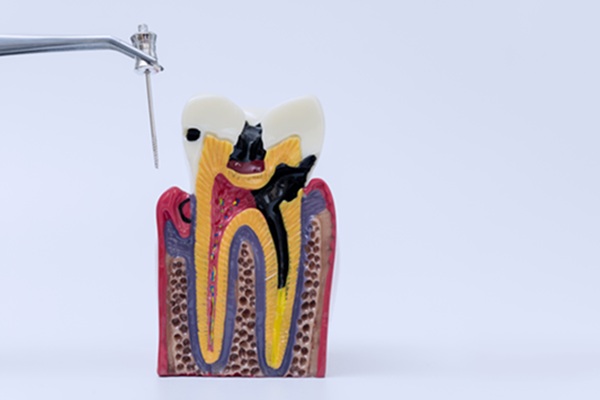
Even though a root canal may sound like an adult procedure, children can benefit from this treatment when a tooth has deep decay, infection, or injury. Baby teeth will fall out eventually, but in the meantime, they help children chew comfortably, speak clearly, and hold space for permanent teeth. A dentist will only recommend this treatment when it offers a clear benefit for the child’s oral health.
Why baby teeth sometimes need advanced dental care
Many people assume a primary (baby) tooth does not need treatment because it will fall out in time. However, these teeth typically need to stay in place for several years before the permanent (adult) tooth comes in. Losing even one baby tooth too early leaves an unexpected gap in the smile, which nearby teeth may shift into. If they do, this can cause problems with how adult teeth erupt.
Unfortunately, any tooth, including baby teeth, can develop a serious problem when decay reaches the inner pulp. The pulp contains nerves, blood vessels, and soft tissue. When bacteria irritate or infect this area, the patient may experience pain, swelling, sensitivity, or trouble chewing.
A dentist may recommend pediatric endodontic treatment when the tooth still has enough healthy structure to save. This type of care helps remove infected or inflamed tissue inside of a baby tooth while keeping the outside structure intact. In many cases, preserving a natural tooth supports a healthier bite over time and reduces the need for future space maintenance.
What type of root canal can children get?
Children do not always receive the same type of root canal treatment as adults. A dentist may recommend a pulpotomy or pulpectomy, depending on how far the infection has spread.
A pulpotomy treats the pulp in the crown portion of the tooth. This option may work when the infection or inflammation has not reached the roots. The dentist removes the affected tissue, cleans the area, and places a protective material inside the tooth.
However, a pulpectomy treats both the crown and root portions of the tooth. A dentist may recommend this option when infection reaches deeper into the canals of a baby tooth. After cleaning the inside of the tooth, the dentist fills it with a material that supports the tooth until it naturally comes out.
Signs a child may need treatment
A child may not always know how to explain dental pain. Some children avoid chewing on one side, complain during meals, or become sensitive to cold, heat, or sweets. Others may show swelling near the gums or develop a small bump near the affected tooth.
A dentist should evaluate symptoms, such as:
- Persistent or returning tooth pain, especially if it wakes the child at night
- Swelling, redness, or a pimple-like bump on the gums
- Sensitivity that lingers after hot, cold, or sweet foods
- Pain when biting or chewing
- A tooth that looks noticeably dark, cracked, or decayed
These signs do not always mean a child needs a root canal, but they do deserve professional attention. A dentist strives to relieve pain as quickly and effectively as possible.
Learn more about root canals
Children can receive root canal treatment when deep decay, infection, or injury affects the inside of a tooth. A dentist can determine whether a pulpotomy, pulpectomy, or another treatment option will best protect the child’s smile. Call our office for more information.
Request an appointment here: https://www.downtownsmilecenter.com or call Downtown Smile Center at (805) 775-8725 for an appointment in our Oxnard office.
Check out what others are saying about our dental services on Yelp: Root Canal Treatment in Oxnard, CA.
Related Posts
Implant-supported dentures can restore comfortable chewing and a stable smile, but they still require consistent home care to protect the gums, implants, and surrounding tissues. Unlike natural teeth, dental implants cannot develop cavities, but plaque and bacteria can still build up around them. Without proper cleaning, inflammation may develop around the gums and threaten the…
Dental fillings protect teeth affected by cavities or minor damage, but they do not last forever. Over time, normal chewing forces, temperature changes, and everyday wear can affect even well-placed restorations. Visiting a general dentist can help identify the early signs of a failing filling, allowing treatment before a small problem develops into a larger…
Many individuals ask cosmetic dentists whether at-home whitening can deliver noticeable results for their smile. While the answer is yes under certain conditions, effectiveness depends on the method used, the type of stain, and the consistency of treatment. Not all over-the-counter choices provide the same level of safety, comfort, or long-term success when you want…
Effective gum disease prevention starts with the right tools, and a deep-cleaning toothbrush helps you keep your gums healthy and free of gum disease. Many people assume that any toothbrush will work for their oral health needs. However, the specific design of the bristles makes a massive difference in the fight against gum disease and…